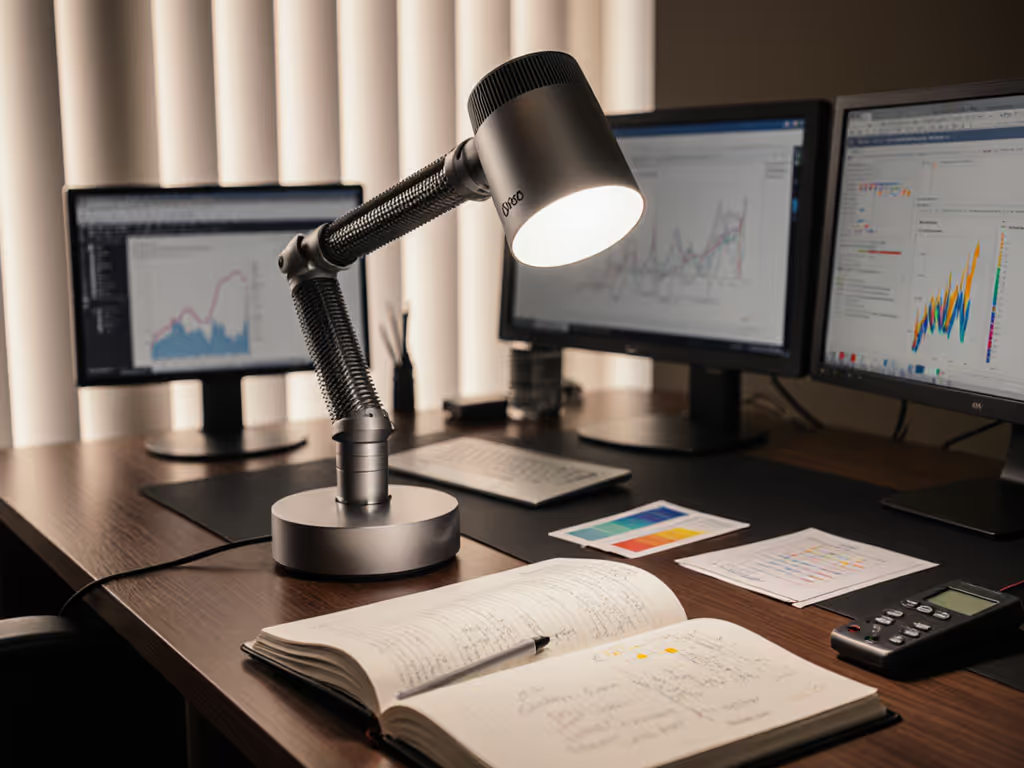
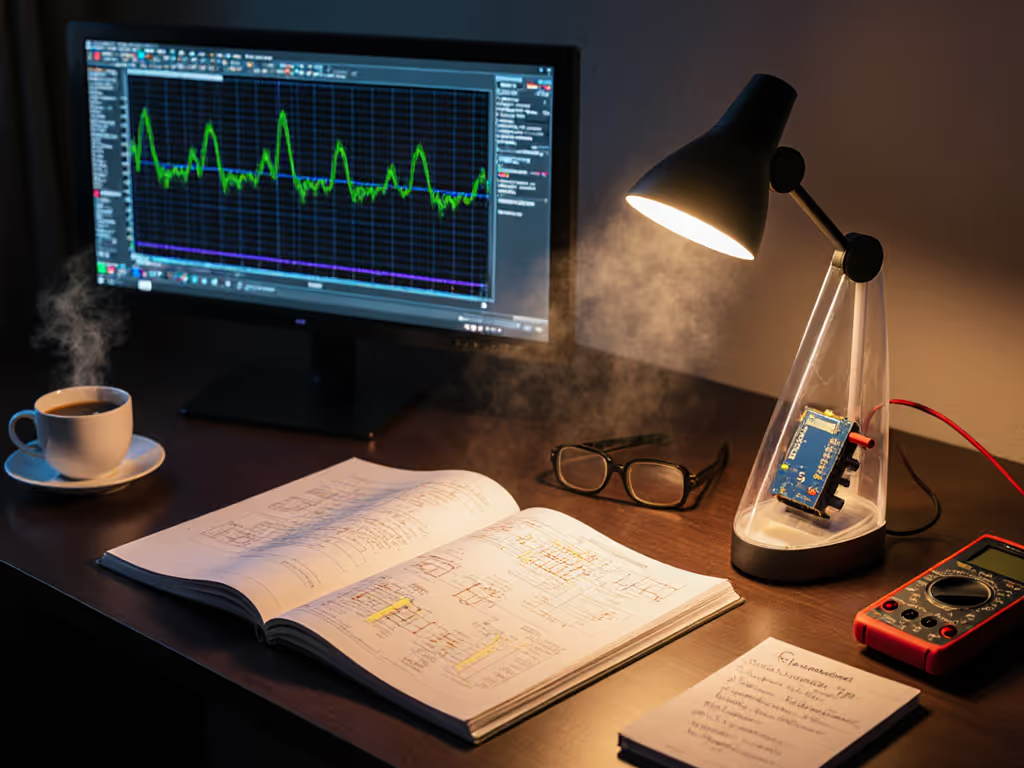
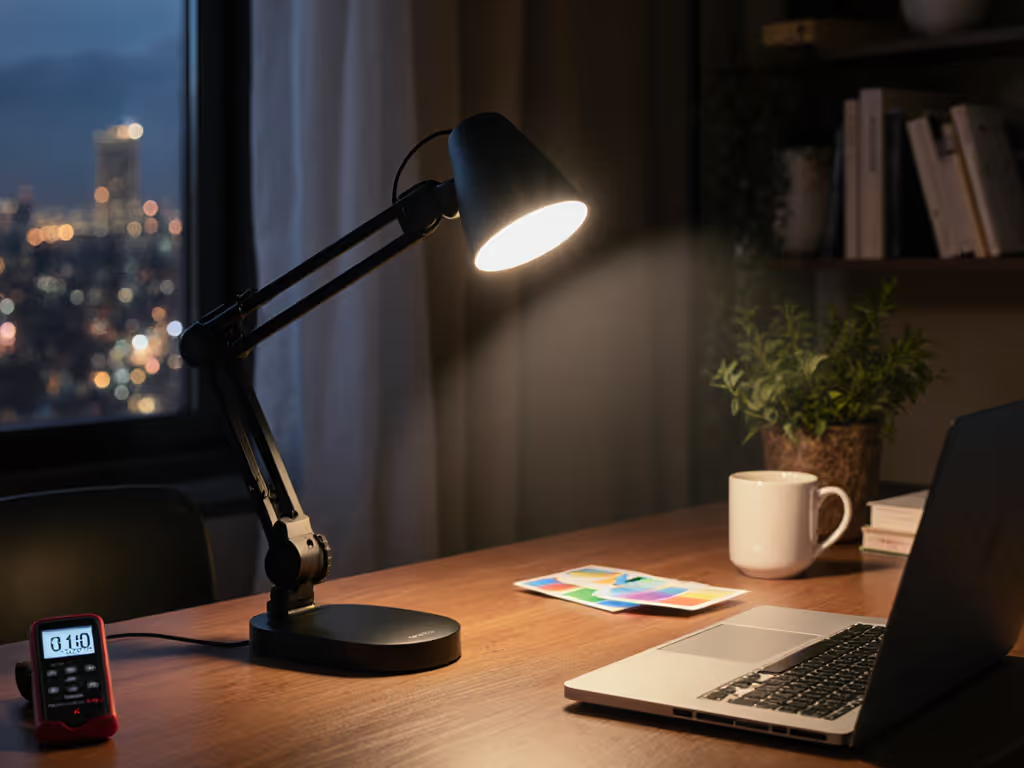
Learn how circadian tracking, heat-pipe cooling and high-CRI optics perform in tests, plus a practical checklist to judge fit, comfort, and long-term value.
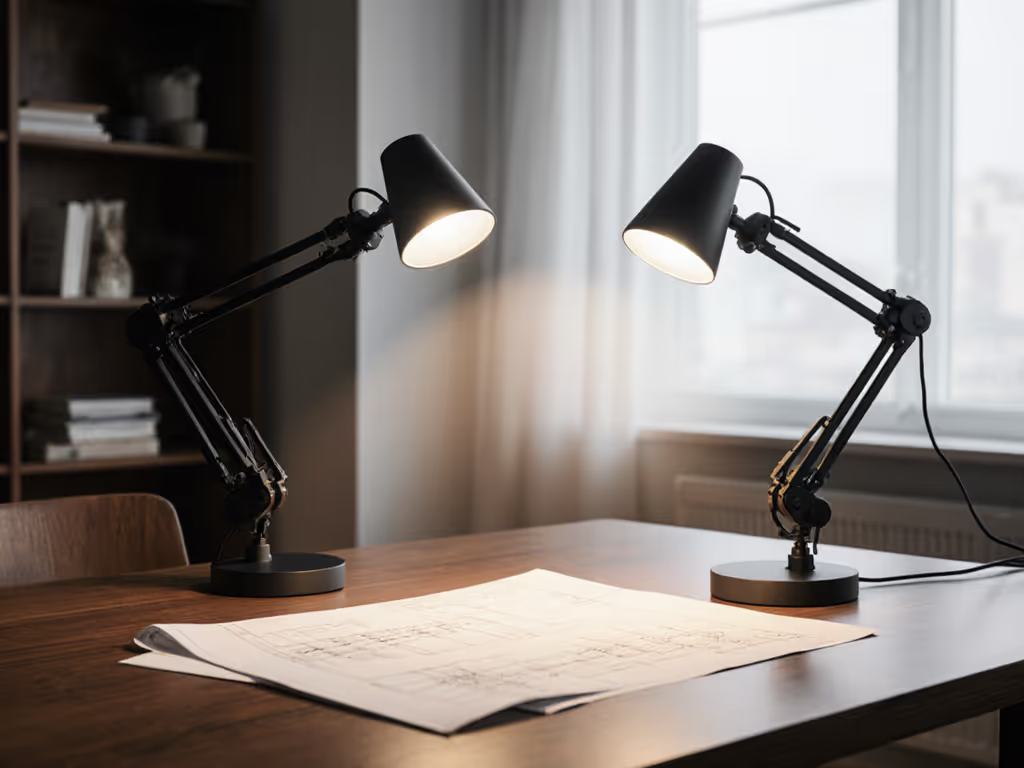
Compare articulated and telescoping lamp arms to pick the right balance of reach, rigidity, and adjustability for your desk, workflow, and long-term durability.
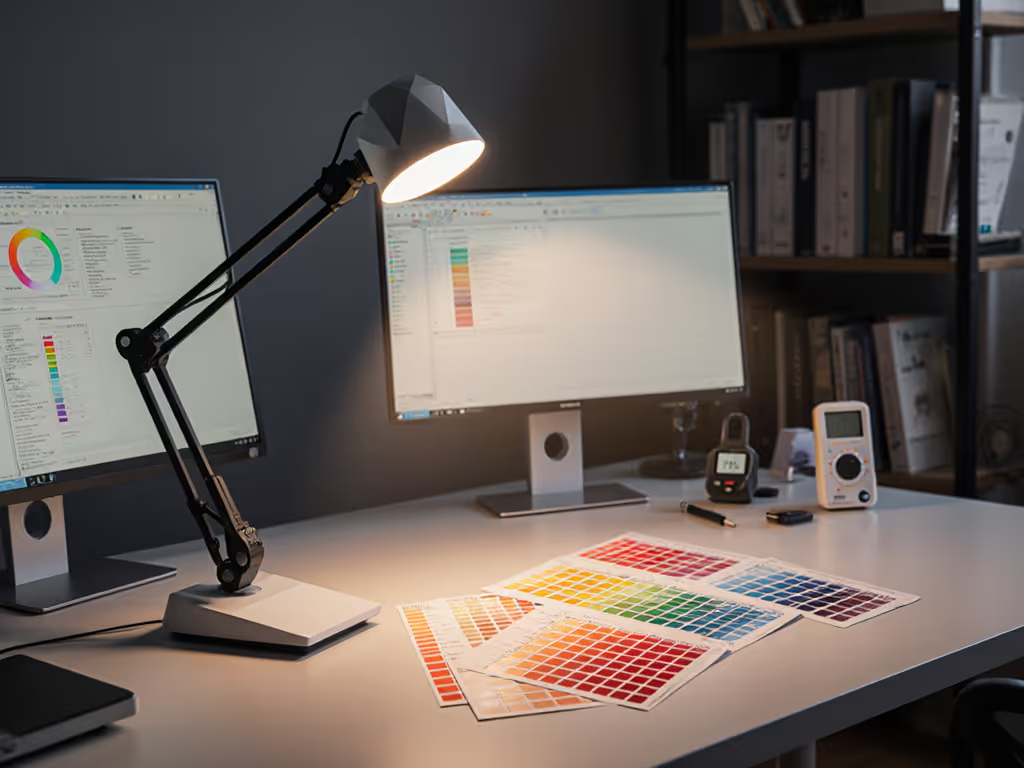
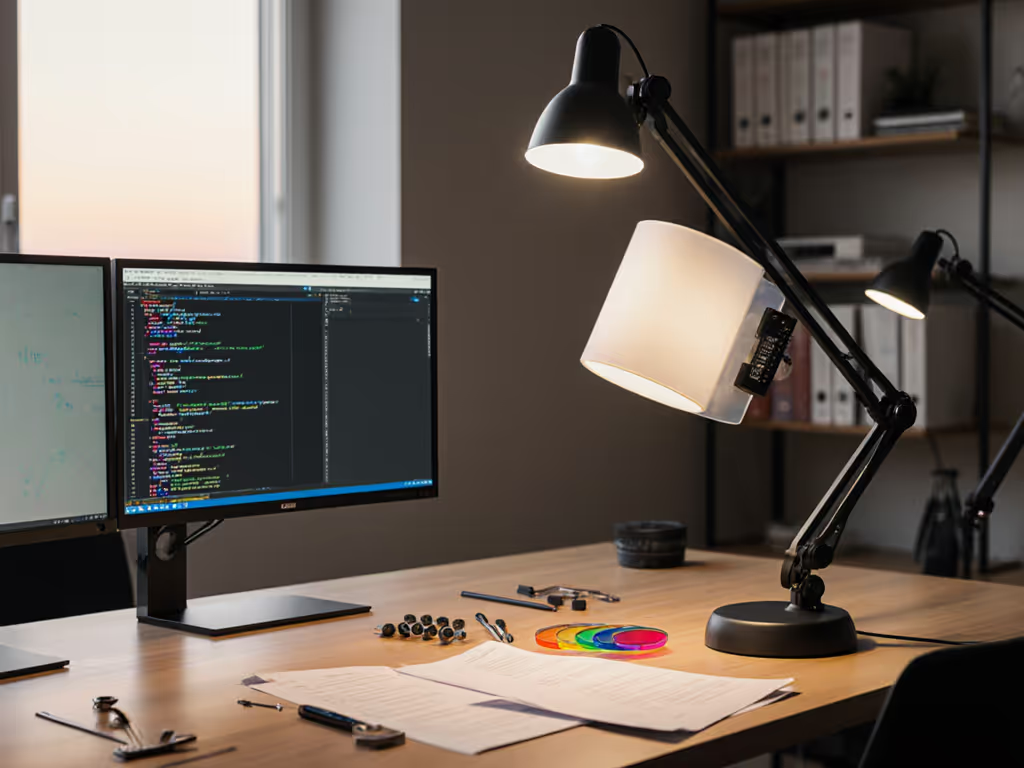
Avoid CRI-only traps. Use R9 and TM-30 to judge true color, test dimming and flicker, and set spec baselines that match casual, video, or color-critical work.
Understand how LED driver design prevents invisible flicker, protects eyes, and improves color accuracy. Get specs to demand and simple tests to verify.
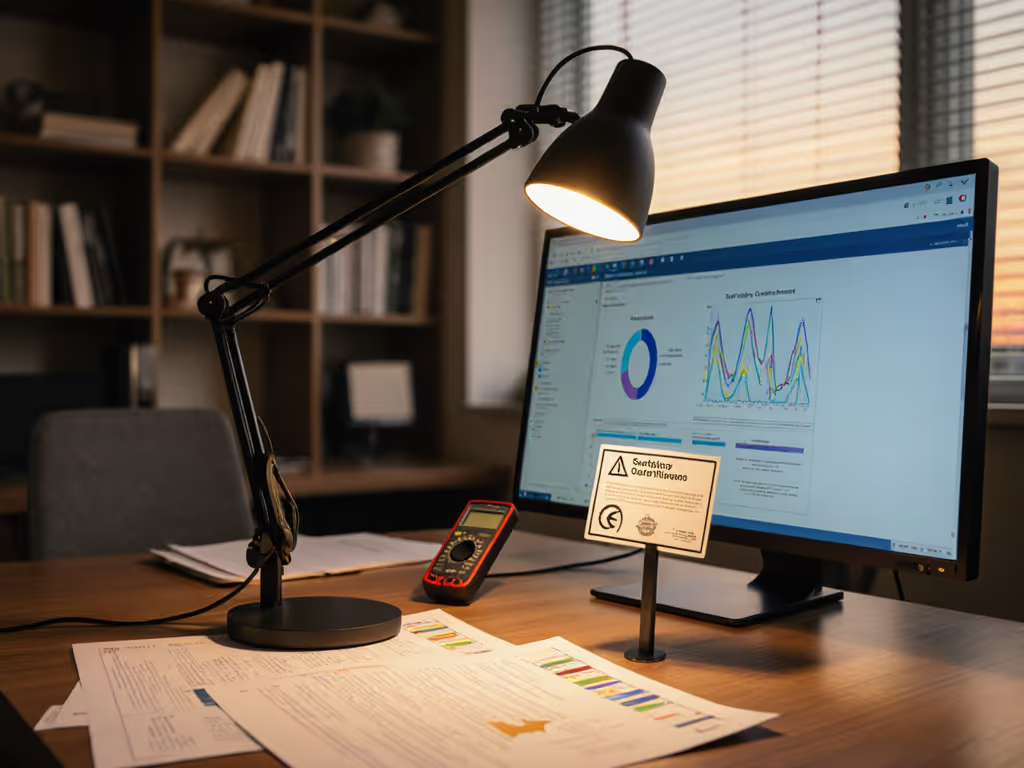
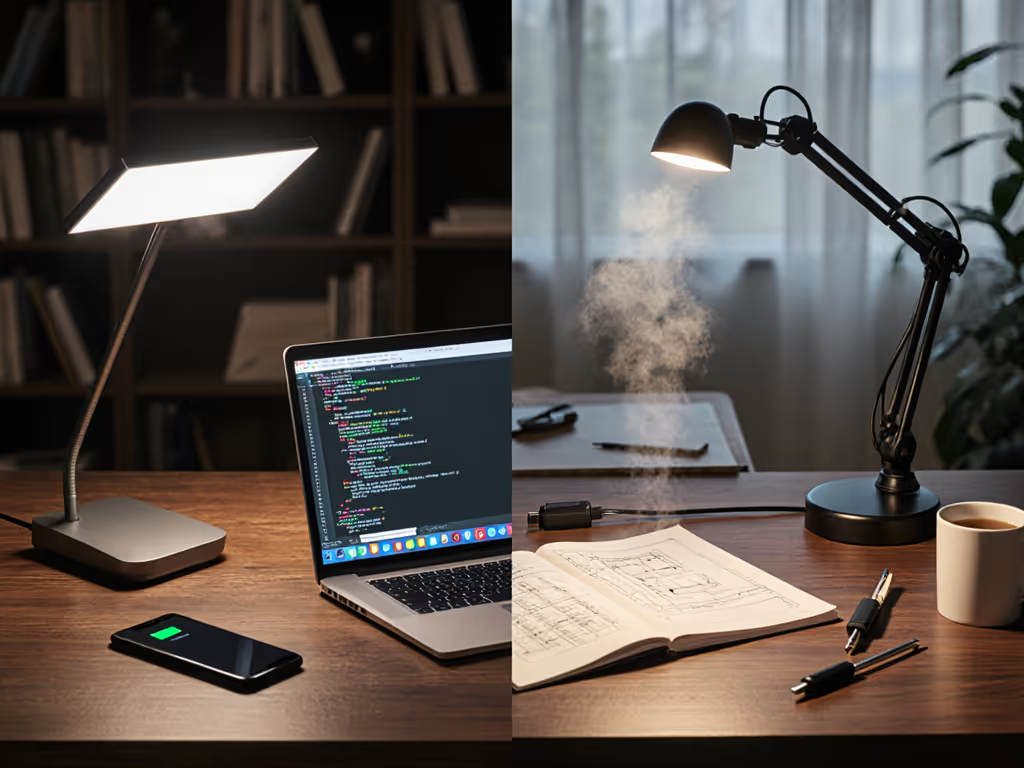
See how real-world USB-C tests expose charging speed, stability, and light-quality trade-offs, then use a simple framework to pick the right lamp for your work.
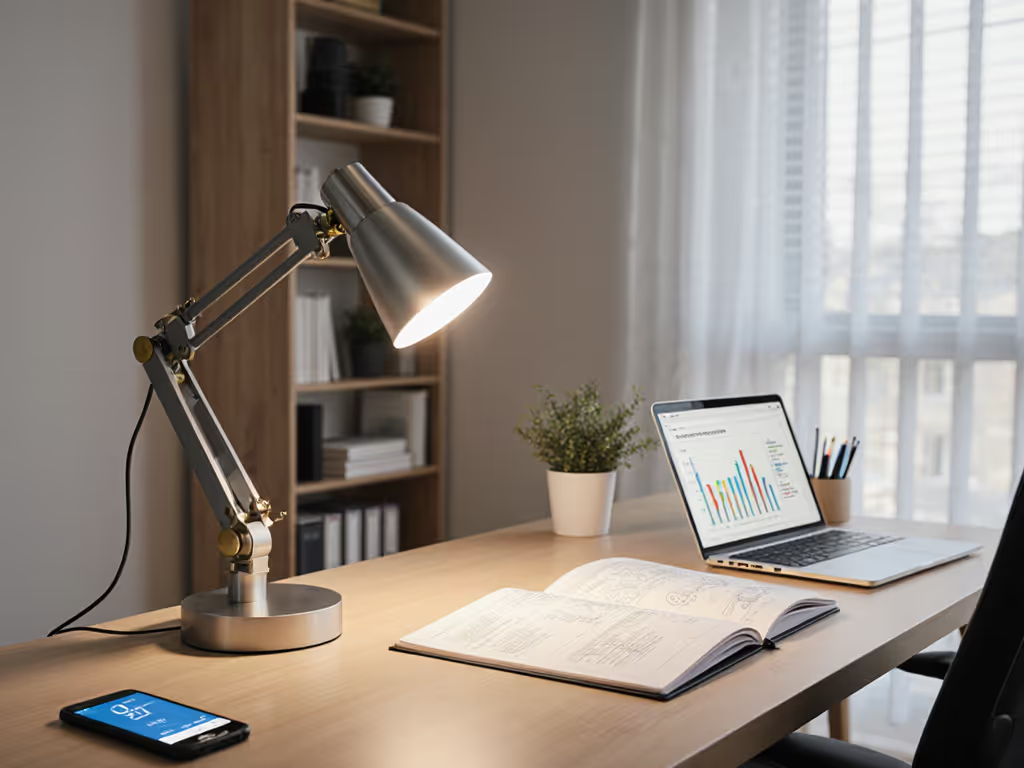
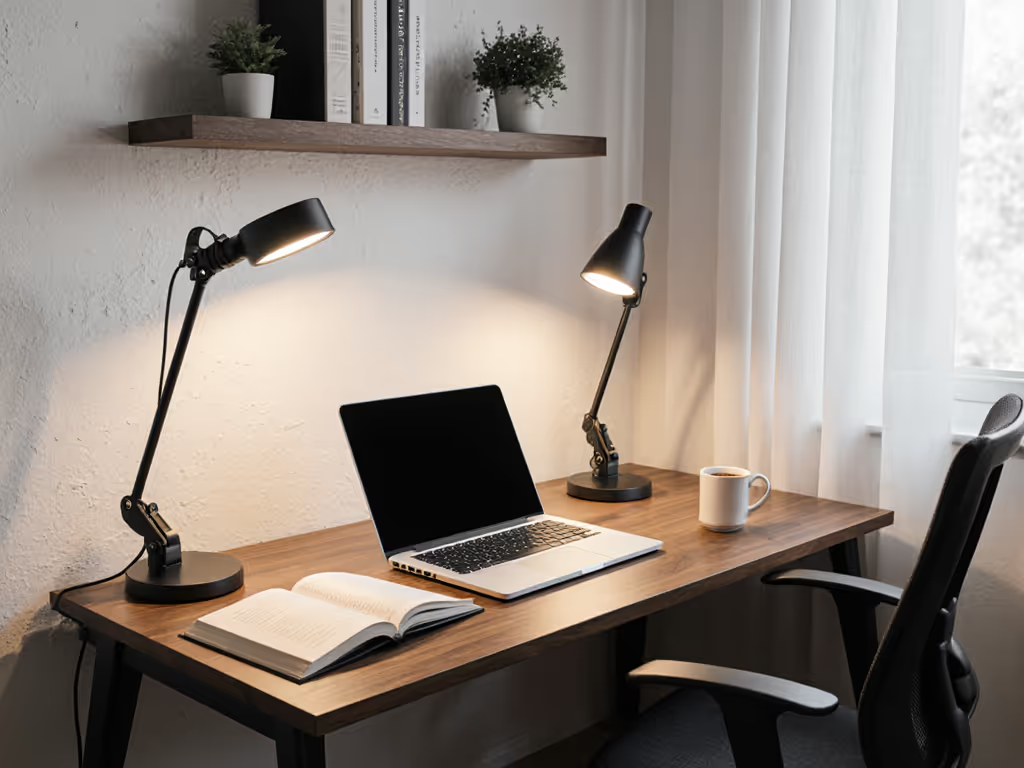
Use a simple, 5-step placement framework to cut glare and eye strain: position by hand dominance, set angles and height, and verify lux with your phone.
Discover how a $36 lamp nails glare control, CRI 95 color, and flicker-free dimming with stable joints - practical tests show calmer eyes and better desk focus.
Compare telescoping, sliding, and rotating height systems, map your desk and tasks, and verify 500 lux to ensure even coverage without glare or shadows.
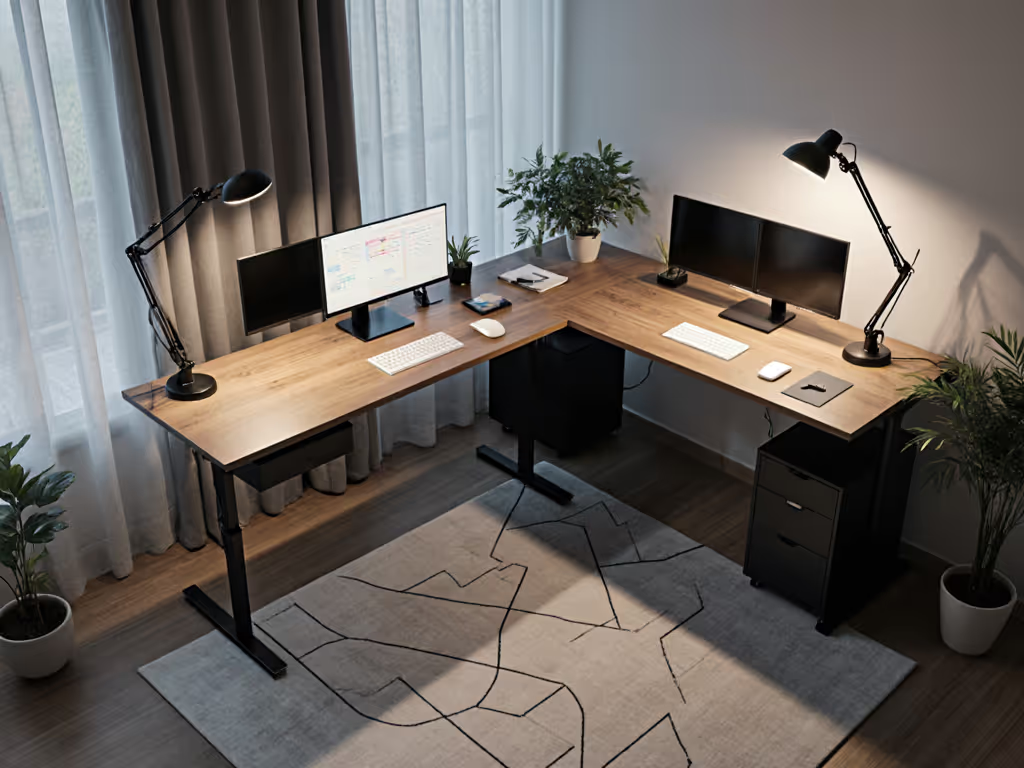
Get precise lamp placement, angles, and CCT targets for L-shaped and standing desks to ensure even, color-accurate light, minimize glare, and reduce eye strain.